Spring is in full bloom...
and summer is just around the corner! For many regions, summer has made an early appearance this year, hinting at the likelihood of a hot and dry season ahead. Gardeners are being challenged to find ways to balance the need to conserve precious water with their desire to create lush gardens and landscapes.
There are many water-wise choices, and in this issue we'll explore two plant families that offer attractive varieties to experiment with in both gardens and containers. Enjoy and please let us know how your garden grows!
In this issue...
. . . . . . . . . . . . . . . . . . . . . . . .
Ornamental Grasses: The new versatile favourite!
Ornamental grasses are one of the most popular plants this year, continuing a trend started a couple of years ago when the lowly grass was named the 2001 Perennial Plant of the Year. They are enjoyed in gardens and containers for their texture, height, color and, in a soft summer breeze, their lovely swaying motion. Grasses provide multi-season interest, with striking foliage and ornamental seedheads.
The graceful, arching foliage colors include various shades of green or variegated with the addition of ivory or yellow strips or bands. Additional colors include blues, reds and maroons. The lush colors of spring and summer foliage retreats in the fall to shades of red, beige, or brown. The late fall foliage color lasts all winter providing a winter garden accent. Leave the seedpods and plumes on the plants to add interest to the garden over winter, or cut them for long-lasting indoor arrangements. The flower (also known as inflorescence) colors include maroon, red, pink, silver, white, yellow, or beige.
Smaller, clump forming grasses are valued as accent plants, while the larger ornamental grasses such as Miscanthus sinensis are useful for their landscape stature, and combine well with shrubs and vines to create a privacy screen.
Ornamental grasses need full sun and well-drained soil. They are a good choice for busy gardeners because they require very little care and little or no pruning. They are resistant to most insects, and they tolerate our summer heat well. The only care needed is a good hair cut in late winter to make room for new growth in the spring.
Benefits
- Free of pests and diseases.
- Hardy, tough, and durable.
- Provide form, color, texture and motion.
- Create a privacy screen or hide an unsightly view.
- Can be container grown.
- Birds will benefit from the grasses in your garden. They like to use the leaves for nesting materials, and they eat the seeds.
- Don't have to mow it!
. . . . . . . . . . . . . . . . . . . . . . . .
Uses for Ornamental Grasses
. . . . . . . . . . . . . . . . . . . . . . . .
Experiment with ornamental grasses in different areas in your garden:
- Border/edging planting
- Background planting
- Specimen planting
- Living screen planting
- Groundcover planting
- Mass plantings
- Containers and tubs
. . . . . . . . . . . . . . . . . . .
When to Plant Grasses
. . . . . . . . . . . . . . . . . . .
Ornamental grasses can be planted at various times of the year. They are best planted, however, in the early part of spring when they can establish properly prior to the heat of summer. Planting times will, of course, vary by climate. Here are a few tips for various planting times.
Spring Planting
This time of year offers the best availability and selection of grasses when most grasses are pushing new growth and will establish quickly.
Summer Planting
Container grown plants are fine to plant during summer months. Additional watering may be required during hot periods while plants are getting established. Trim back the soft top third of foliage when planting in the hot summer months.
Fall Planting
Fall is the ideal time to plant many grasses as the early start allows the roots toe become established prior to the first big push of growth. Plant at least four weeks prior to the risk of first frost to allow the grasses enough time to establish before dormancy. Cool-season grasses will benefit most from fall plantings and enjoy the early start. Don't let plants dry out during late fall as dry plants are more susceptible to cold weather damage. During late fall months be ready to provide protection for young grasses. Straw, mulch, cloth covering, and plastic sheeting all can be used to give the grasses protection from cold.
Winter Planting
If you live in an area that is tropical or safe from frost, year-round planting may be an option. In other regions, planting during months with temperatures below freezing is not recommended. Some grasses are able to grow year-round without a period of dormancy. Trimming grasses periodically can give them a short period of sleep that mimics dormancy. Gardeners in tropical climates will need to experiment with grasses to see which offer the greater longevity.
. . . . . . . . . . . . . . . . . . . . . . . . . . . . . . . . . . . . . . . . . . . . . . . .
Selecting the Right Grass for Your Garden, Patio or Balcony
. . . . . . . . . . . . . . . . . . . . . . . . . . . . . . . . . . . . . . . . . . . . . . . .
Grasses add movement, line, form, texture, scale, and even sound to an otherwise static landscape. Their colors are subtle, yet softly appealing.
The variety of grasses availble to the home gardener has expanded dramatically this year. Your personal preference will come in to play in your selection, and be sure to consider the basics to ensure you make the right choice for your garden.
Growing Conditions
Before selecting any grasses, consider your planting zone or climate. If ordering through a catalogue, ensure you purchase only those grasses suitable for your specific region. Although Once you have identified your region, you will then want to consider the growing conditions of the spot in your garden you wish to plant the grass. While most grasses require full sun, some varieties will do well in light shade.
Size
Rule number one in selecting your ornamental grass should be to choose according to mature size. Grasses grow rather quickly and even a small starter plant will mature into a full size within a few years or less.
Growth Habit
Consider whether the grass is a running grass or a clumping grass. If it is a running grass, does it spread quickly and aggressively? If so, do you have adequate edging to contain the grass from other areas of the garden? Certain growth habits can be emphasized very successfully. For example, a grass that tends to flop or weep can look attractive cascading over a raised edging. Tall vertical grasses with attractive blooms can make great backdrops to a perennial garden.
Garden Design
Consider your overall garden style and choose those grasses that complement rather then overpower. Color, shape and size all come into play when making selections. Too much variegation can sometimes seem busy. Larger grasses in a small garden should be reserved as specimens, while a vast landscape can be planted with masses. Containers will become focal points with statuesque grasses.
| Type of Grass |
Qualities |
Example |
| Feather Reed Grass (Calamagrostis) |
- strongly vertical in form
- tough and adaptable
- long bloom season
|

'Karl Foerster' |
| Blue Fescue (Festuca) |
- intense steel-blue color
- forms compact mounds
- multiplies rapidly (but not invasive)
|

'Elijah Blue' |
| Japanese Silver Grass (Miscanthus) |
- graceful arching foliage
- feathery plumes
- good for cut flowers
- silver-green foliage and copper red plumes
|
'
Japanese Silver Grass' |
. . . . . . . . . . . . . . . . . . . . . . . . .
Caring for Ornamental Grasses
. . . . . . . . . . . . . . . . . . . . . . . . .
Like their cousins, the lawn grasses, ornamental grasses are generally durable and reliable. Most grasses prefer full sun. They tend to be tolerant of a wide range of soil types and prefer a pH between 5 and 7. Once established, most ornamental grasses have deep, far-ranging root systems, making them resistant to drought. However, give them some extra TLC during their first season by watering them throughout dry spells. Ornamental grasses are also remarkably pest-free.
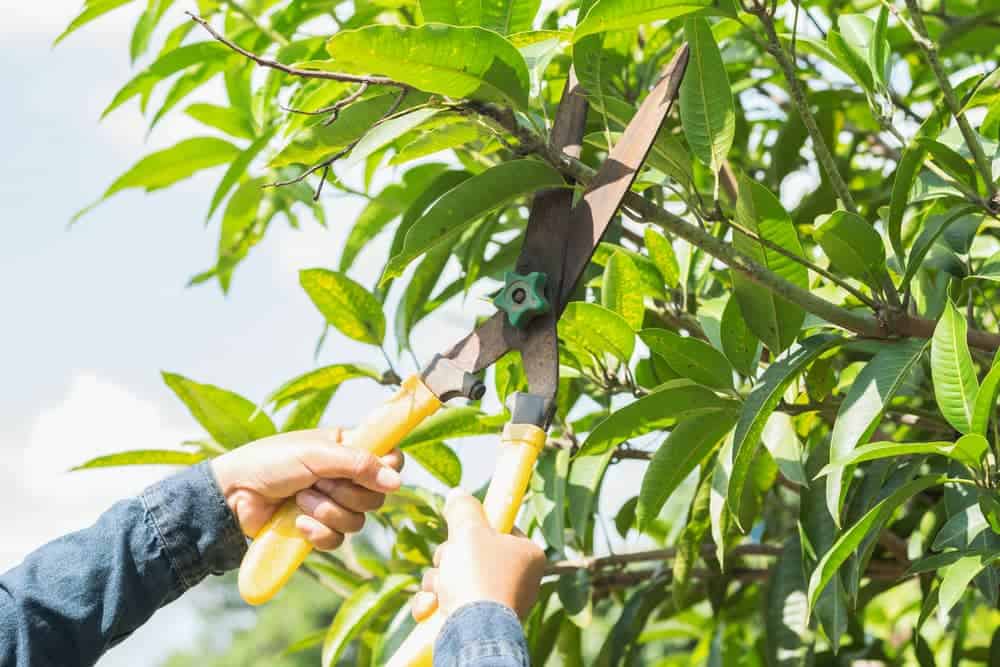
Like many perennials, grasses respond well to shearing back in late winter. Although you can also cut back dead foliage in fall, most grasses are attractive well into winter, and many have seedheads that attract birds. Whenever you decide to prune, simply cut down each clump to 3 to 6 inches above ground, using sharp scissors or pruners. In the spring, the grass will re-sprout from the crown.
. . . . . . . . . . . . . . . . . . . . . . . . . . . .
A Selection of Ornamental Grasses
. . . . . . . . . . . . . . . . . . . . . . . . . . . .
Miscanthus sinensis: (Cabaret)
Also known as Japanese Silver Grass Cabaret. Very exciting foliage on this clump-forming perennial grass. The rich green broad blades have conspicuous milky-white stripes. This one is quite showy! Copper colored plumes appear in early fall, age to a cream color on stems that turn a blush pink as they mature. This one will get 6-7' tall and 3-4' wide.
Miscanthus sinensis: (Gracillimus)
This one is also called Maiden Grass. It is an attractive ornamental grass with fine-textured silver-green blades that turn golden brown after the first frost. Delicate silvery white plumes. This perennial grass likes full sun and is a moderate clumping grower that can reach 6-8' tall and 3-5' wide.
Miscanthus sinensis purpurascens
Also known as Flame Grass, it has purple-tinged green blades in summer with a pink midrib that turns brilliant red-orange in fall, attractive coloring lasting through the winter. Mauve colored feathery plumes, stalks reach about 2' above the foliage. It likes full sun and can reach 3-4' tall and wide.
Pennisetum alopecuroides (Hameln)
This one is also called Fountain Grass. It has fluffy, buff colored plumes araching above the foliage. Terrific contrast used among shrubs or as a backdrop in a perennial bed. Dark green blades turn russet in the fall. It likes full sun and grows 2-3' tall and 1-2' wide.
Pennisetum setaceum (Rubrum)
This grass is called appropriately Purple Fountain Grass because of its purplish-maroon blades. Topped by rose-red flower spikes summer through fall. Beautiful as a landscape specimen or planted in groups. It also likes full sun and grows 2-4' tall and 2-3' wide.
|